In December 2022, researchers at the University of Zurich published a study in the Journal of Allergy and Clinical Immunology — one of the most respected immunology journals in the world.
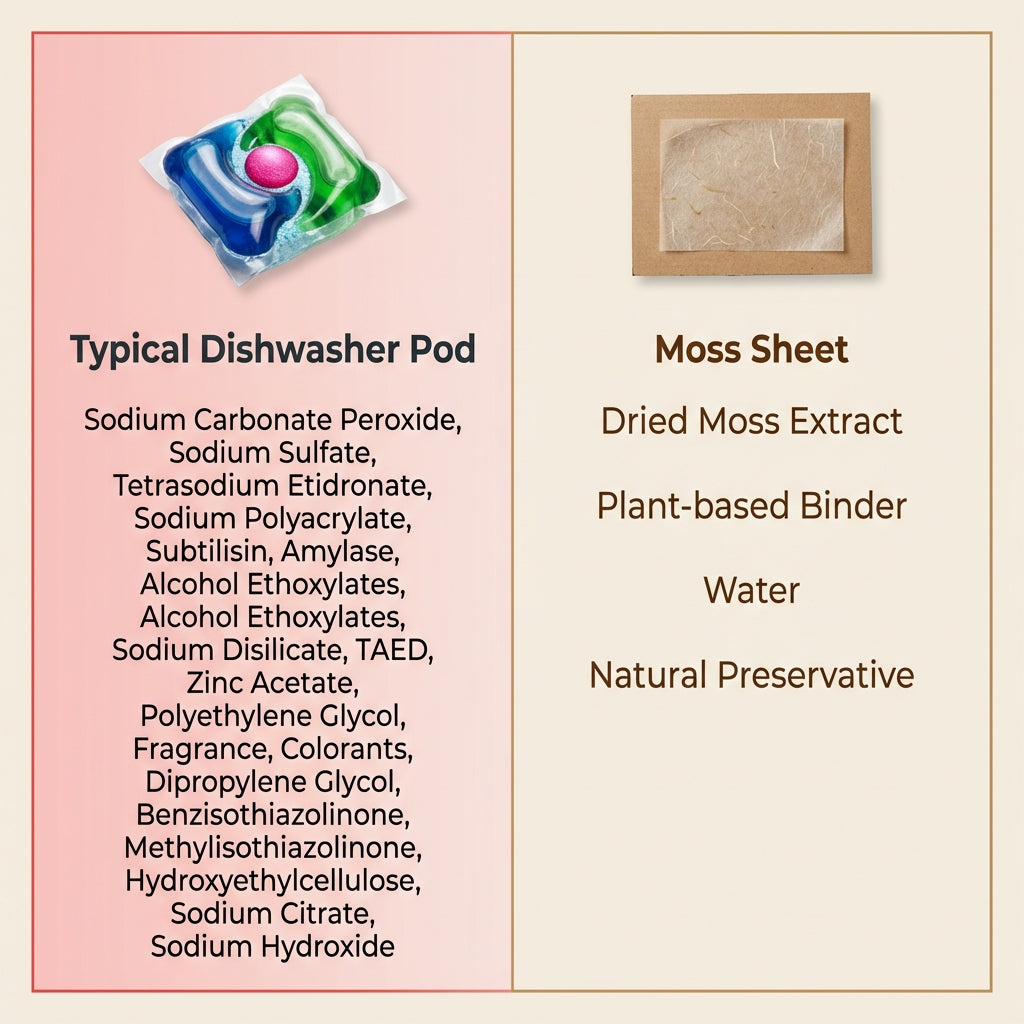
They found that alcohol ethoxylates — a chemical surfactant in almost every dishwasher detergent and rinse aid — damages the gut epithelial barrier at concentrations as low as 1:10,000 dilution.
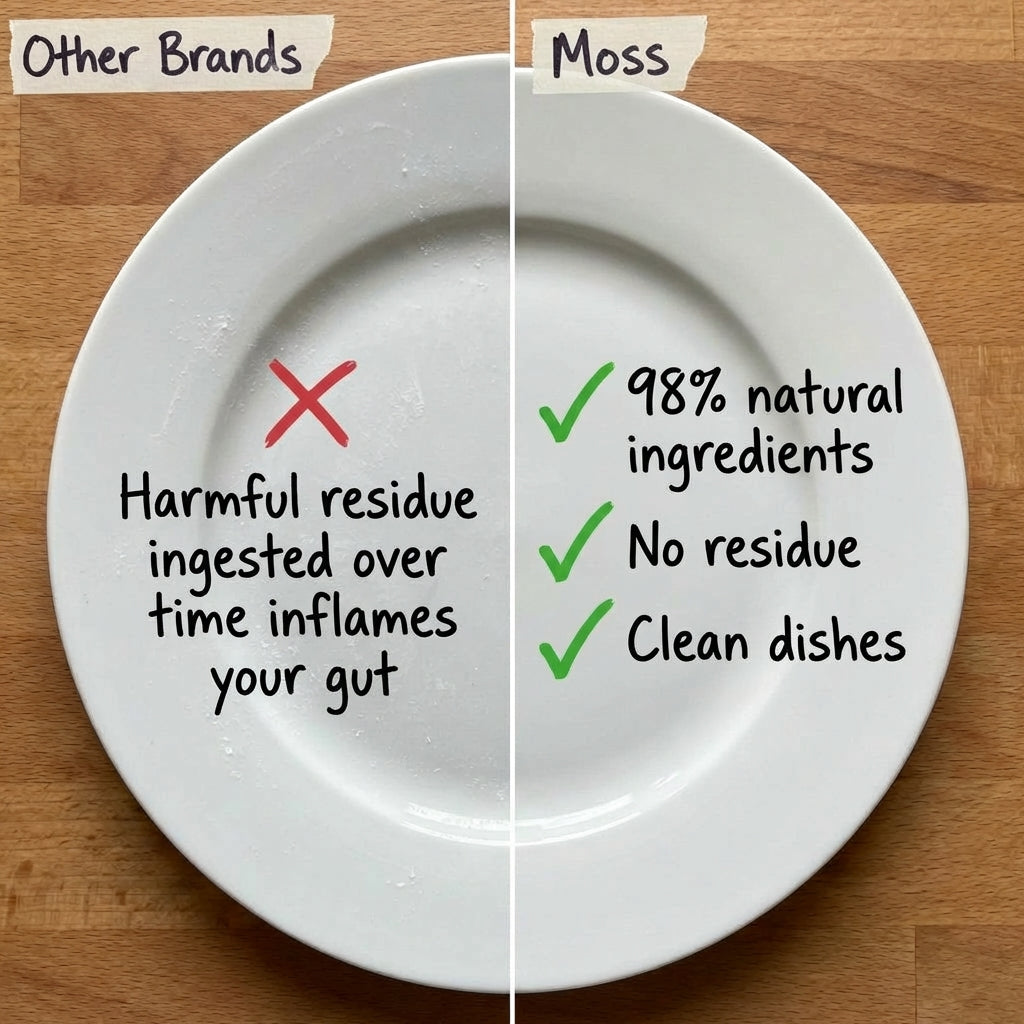
That’s the concentration left on your dishes after a normal wash cycle.
Every plate. Every bowl. Every sippy cup. Every meal.
Your child eats off these dishes three times a day.
That’s 1,095 chemical exposures per year — from the one place you’d never think to check.
“The most dangerous exposures are the ones you don’t know about. This one happens three times a day.”


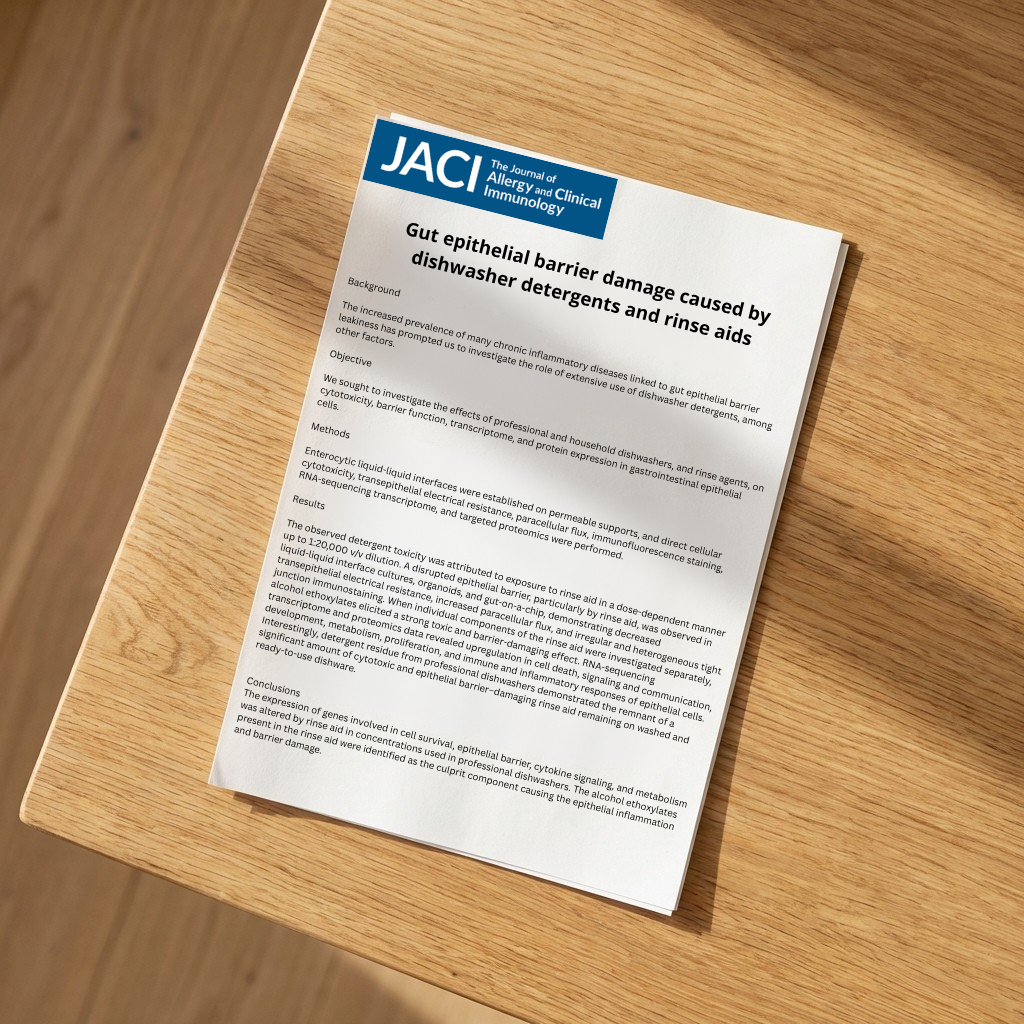
Professor Cezmi Akdis, one of the top 10 cited immunologists globally, led the University of Zurich team that studied dishwasher residue and the gut barrier.
Published in the Journal of Allergy and Clinical Immunology (December 2022):
• Alcohol ethoxylates damage the gut lining at concentrations left on dishes after a normal wash cycle
• Residue ranges from 1:1,250 to 1:10,000 dilution after rinsing
• Gut epithelial damage observed even at the lowest concentration
The American Cleaning Institute, the industry’s own lobby group, published a formal denial. When the industry formally denies a study, it tells you the study matters.
Source: Journal of Allergy and Clinical Immunology, Vol. 151, Issue 2, December 2022.



Every meal your child eats comes off a plate washed in your dishwasher.
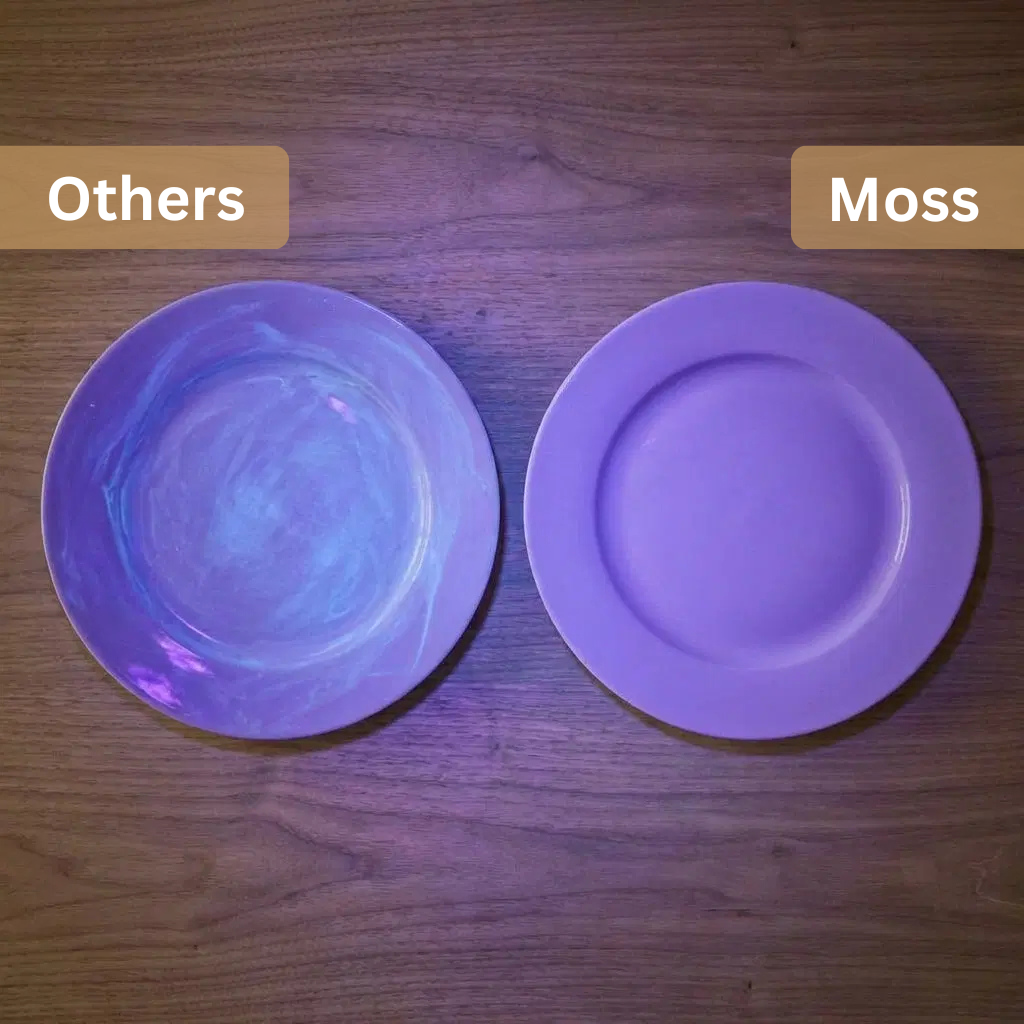
If that plate has invisible chemical residue on it — and the peer-reviewed science says it does — then the simplest thing you can do as a parent is change what washes the plate.
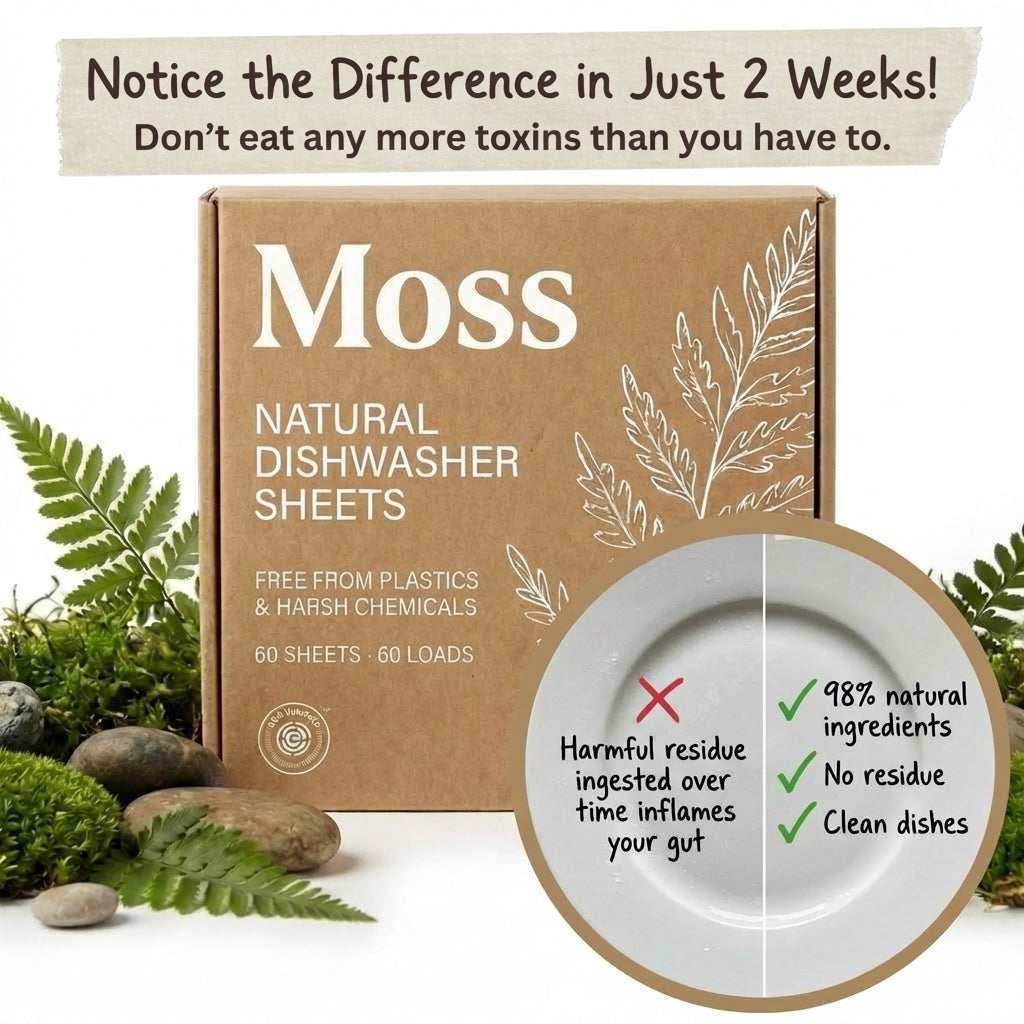
One sheet. One swap. Zero residue.
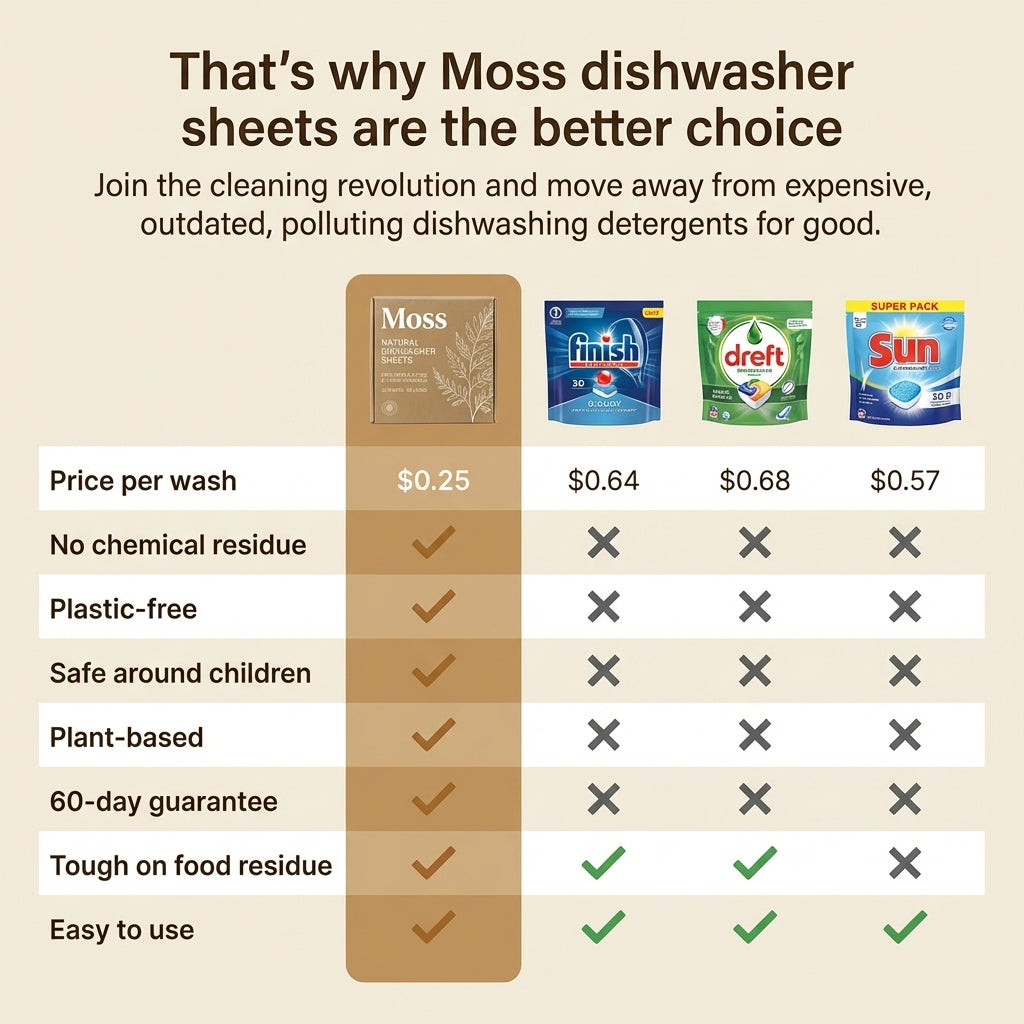
Your first order is backed by a 60-day full refund guarantee. And at $0.20 per load, it costs less than what you’re using now.


This is peer-reviewed immunology, not a TikTok claim. The study was published in the Journal of Allergy and Clinical Immunology by Professor Cezmi Akdis at the University of Zurich — one of the top 10 cited immunologists globally. The American Cleaning Institute published a formal denial, and Michigan State published a counter-analysis. When the industry formally responds, the science has weight.
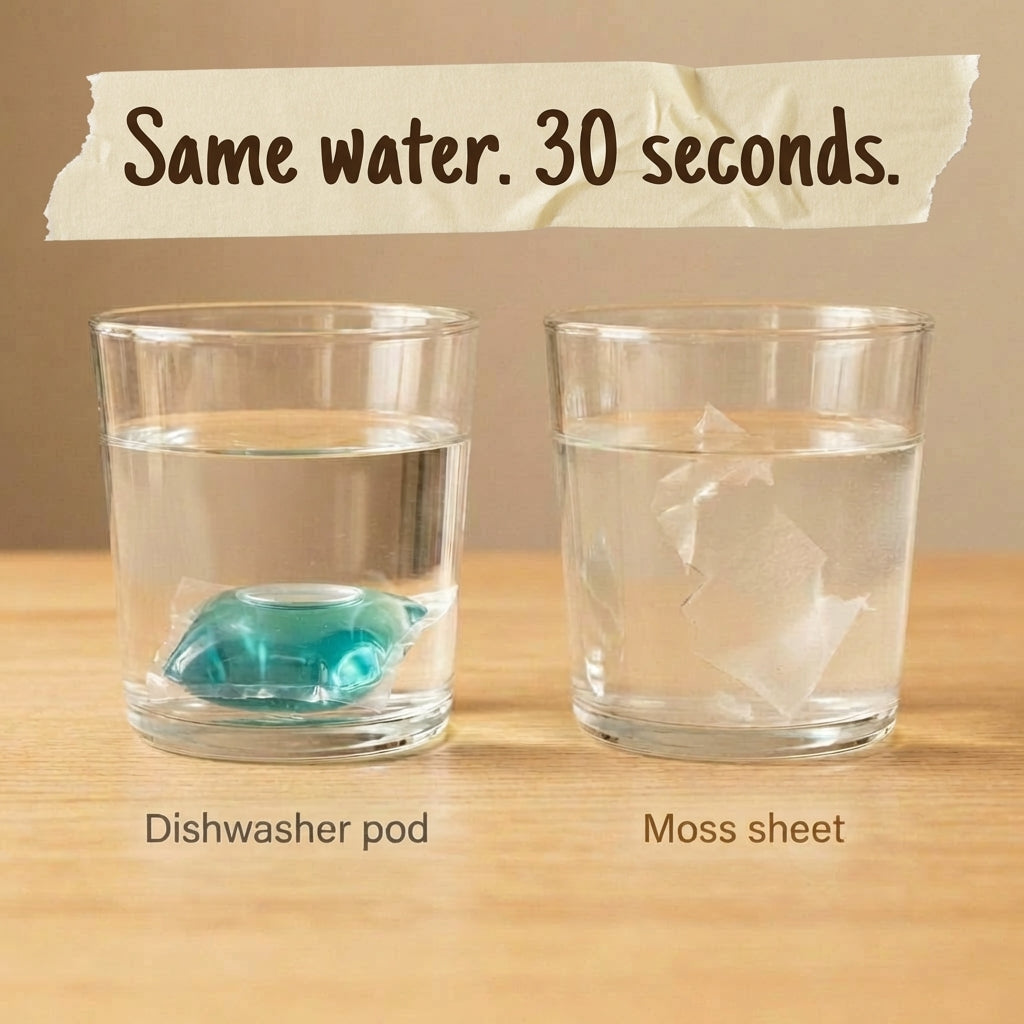
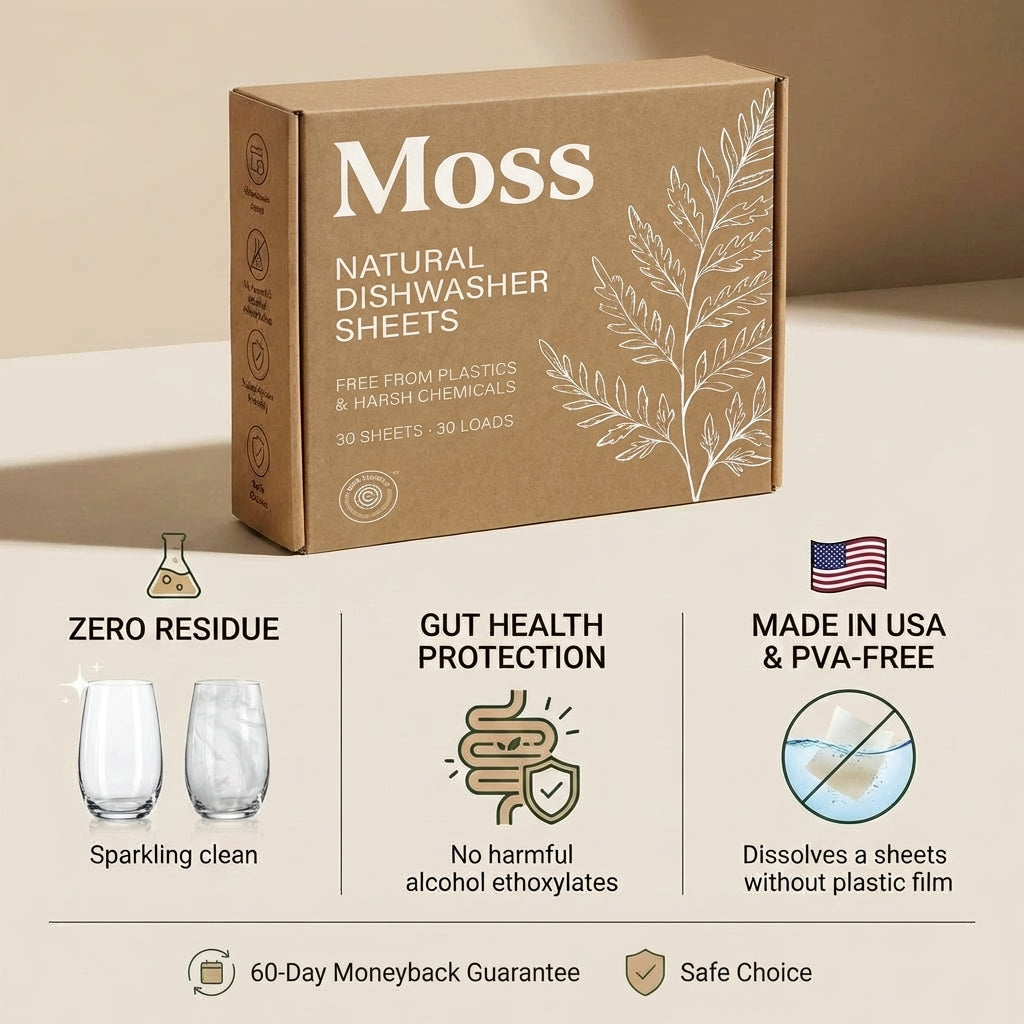
Moss uses plant-based enzymes (protease and amylase) — the same enzyme classes hospitals use to clean surgical linens. They break down food at the molecular level and rinse away completely. No film, no residue, no rewashing. That’s why we have 4,700+ five-star reviews and a 60-day money-back guarantee. If it doesn’t clean, you don’t pay.
Most eco pods still contain either PVA (the dissolvable wrapper is polyvinyl alcohol — a plastic) or alcohol ethoxylates as surfactants. We reviewed 6 leading eco brands. Every single one either uses PVA, contains alcohol ethoxylates, or both. The eco label refers to biodegradability, not the absence of gut-damaging compounds.
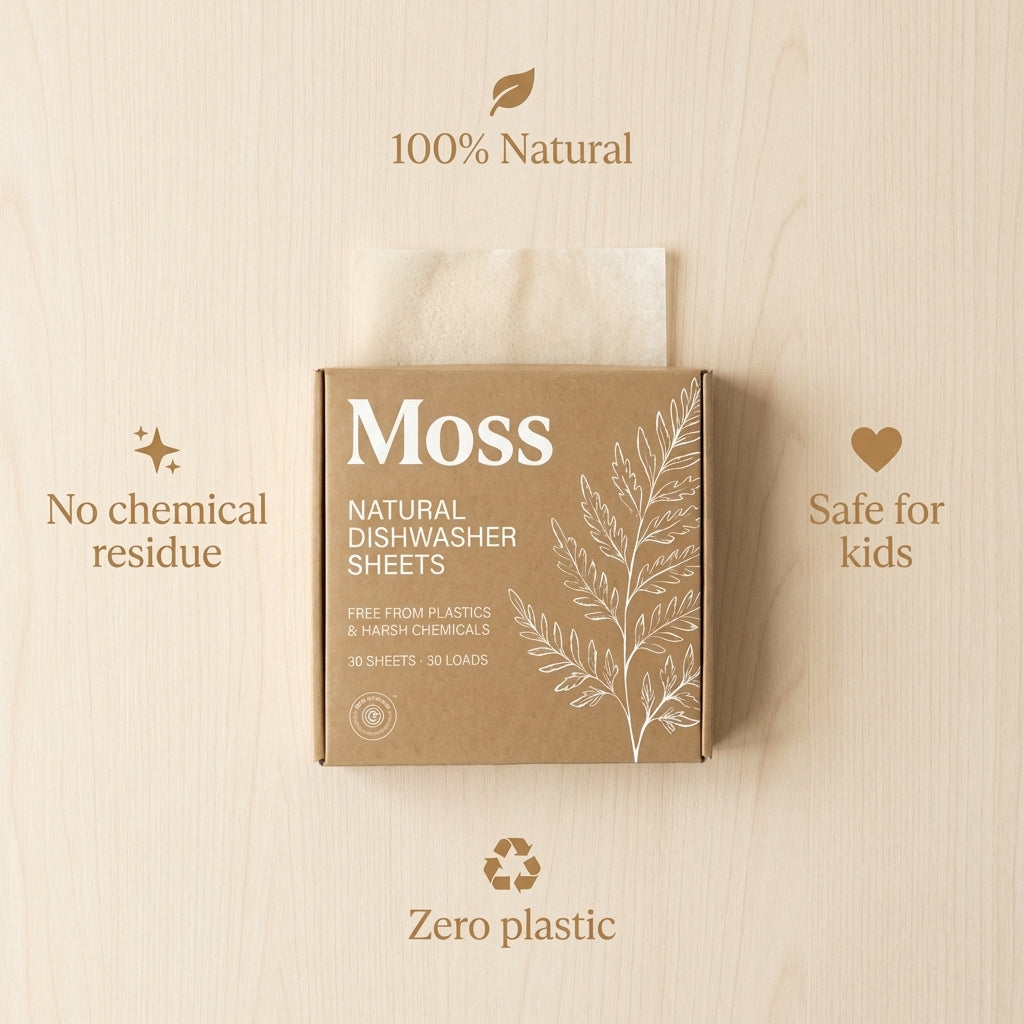
Yes. Moss contains zero alcohol ethoxylates, zero PVA, zero synthetic fragrance, and zero chlorine. Every ingredient is published on our website. There is nothing in a Moss sheet that leaves residue on any surface — including baby bottles, sippy cups, and children’s plates. That’s the entire point.


We know this is a big claim: that your dishwasher is leaving invisible chemicals on your family’s plates, and that switching one product can change that.
So we removed every reason to hesitate.
Try Moss for 60 days. If your dishes aren’t cleaner, if you don’t notice a difference, if you’re not convinced — we’ll refund every penny.
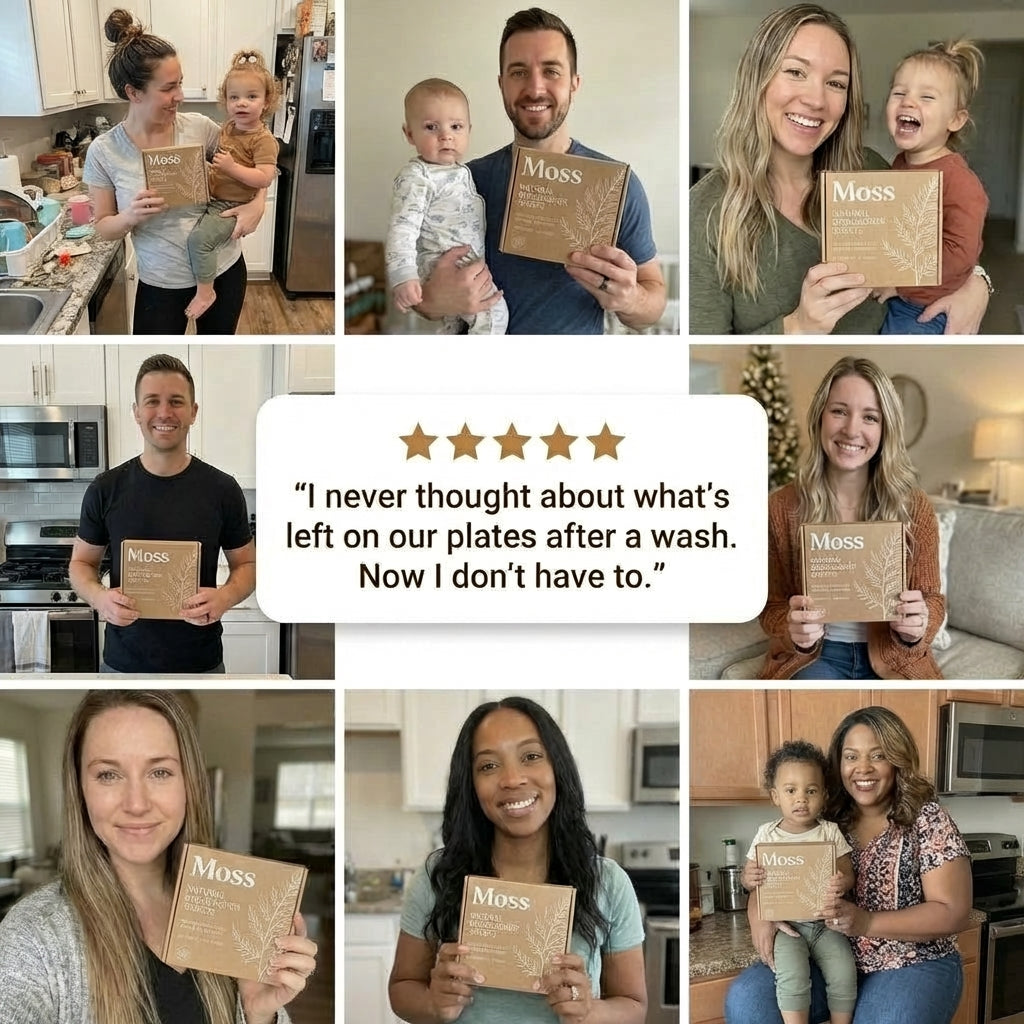
We can offer this because 97% of families who try Moss never go back.